
Have you ever found yourself haunted by a moment when you said or did things that didn’t align with the person you strive to be? We all mess up. It’s part of being human. An important step in healing is forgiving ourselves and anyone involved in the conflict.
In this article, we embark on a journey to unravel the science behind forgiveness, exploring its profound impact on our minds and emotions. Join me as we navigate the neural pathways of forgiveness, discover its effectiveness in healing, and uncover practical tips to cultivate this powerful force in our lives.
What Is Forgiveness?
Research agrees that forgiveness is a mental and emotional journey that eliminates long-lasting resentment, overthinking, and negative impacts. 1
It’s important to note what forgiveness is not. It does not include:
- Excusing
- Exonerating
- Justifying
- Condoning
- Pardoning
- Reconciling
As a part of clinical research, forgiveness has been explored as a treatment for 2:
- Anger and negative feelings after conflict
- Solving social and political disputes
- Cardiovascular reactivity in response to stress
- Poor sleep quality
- Depression
Your Brain When You Forgive
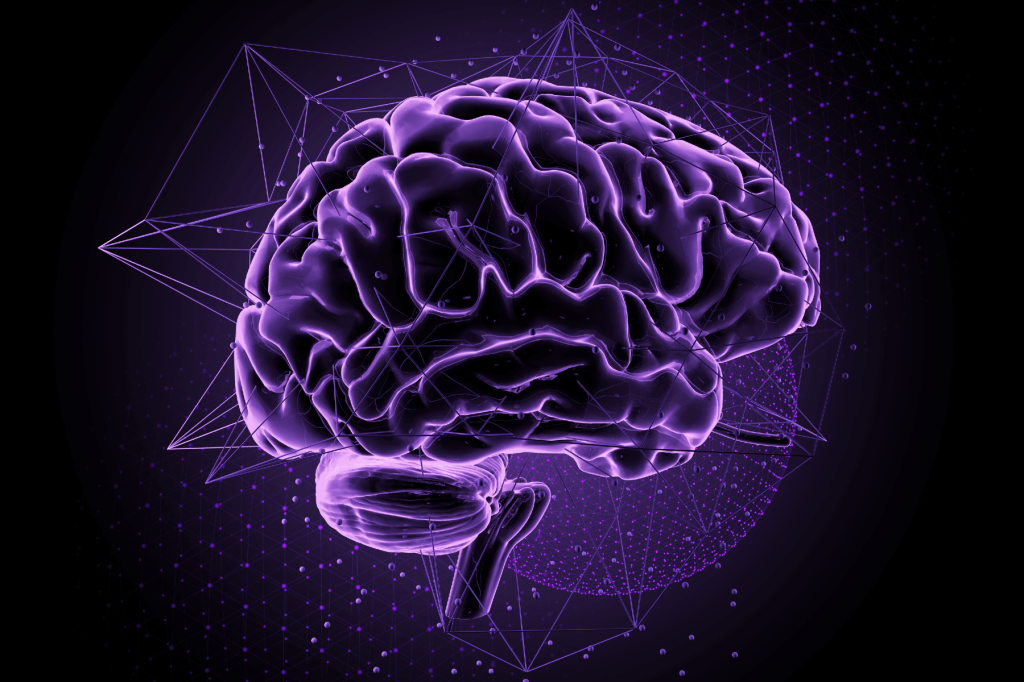
Having explored the concept of forgiveness, let’s now turn our attention to the fascinating realm of neuroscience to understand what happens on a neural level when we choose to forgive.
In a study of 10 volunteers, researchers explored what happens in the brain during forgiveness using MRI imaging. They asked participants to think about times when someone hurt their feelings. They then had to choose whether to forgive the person or stay angry2.
Choosing to forgive increased activity in certain brain parts, including the precuneus, right inferior parietal regions, and the dorsolateral prefrontal cortex2.
These brain areas, part of the cortical network, deal with understanding perspectives, making judgments, and feeling empathy. They are crucial for letting go of negative emotions in a healthy way. These processes actively help forgiveness by preventing aggression and socially unacceptable behavior2.
Another study exploring forgiveness in the brain zeroed in on the part of the cortical network called the aSTS. Researchers found those with larger aSTS are more forgiving when others make mistakes3.
The aSTS is an area of the brain that helps us understand other people’s thoughts, beliefs, and desires. Those with a larger aSTS are more likely to easily recognize unintentional harm, prioritize intent over negative consequences, and be less inclined to condemn actions harshly3.
Now that you know what happens in the brain when you forgive, let’s examine its effectiveness.
How Effective is Forgiveness?
Having glimpsed into the neural dynamics of forgiveness, let’s evaluate the effectiveness of this profound act.
Healing From Trauma
Moving on emotionally after experiencing a traumatic event can be quite challenging, and treatment options are hard to come by. Forgiveness might be the key.
In the case of female acid attack survivors, this was precisely the case. Researchers explored the effects of forgiveness on 16 women victims in Pakistan. Participants engaged in forgiveness sessions twice a week for four months4.
Psychologists guided women through four phases of forgiveness: uncovering their hurt, deciding to forgive, working on forgiveness, and finding meaning. In addition to forgiveness, sessions included cognitive behavioral techniques, emphasizing confidence-building and emotion management to empower the women4.
Women who completed the forgiveness sessions had higher levels of forgiveness and hope and lower levels of anger and anxiety than those who did not. These results lasted into the 12-month follow-up period, after which the study ended4.
Daily Stressors and Mental Health
Forgiveness may help manage daily stressors and mental health as well.
A five-week study of 332 individuals explored the connection between forgiveness, stress, and health. Each week, researchers assessed participants’ levels of forgiveness, perception of stress, and physical and mental health symptoms5.
They found that forgiveness changes over time and that there is significant variability between individuals. Higher levels of forgiveness were associated with5:
- Decreased perceived stress.
- Decreased mental health symptoms
A meta-analysis of 54 studies on the effectiveness of forgiveness found similar results. Undergoing forgiveness treatment was associated with a more substantial improvement in depression, anxiety, and hope compared to no treatment5.
Helps Us Forget
Beyond its emotional benefits, forgiveness might also hold the key to memory and letting go.
A study of 30 participants explored the relationship between forgiving and forgetting. People read 40 fictional stories about bad actions and decided if they would forgive the characters. Later, researchers told the participants to think about the hurtful things the characters did6.
Those who forgave the transgressions forgot more when told to do so, while those who didn’t forgive remembered without any problem, indicating a connection between forgiveness and memory6.
Immune Function
The benefits of forgiveness go beyond how you feel emotionally. It could also improve your immune function, possibly due to decreased stress.
Researchers explored this idea in a study of 78 individuals living with HIV. They compared participants’ level of forgiveness using the Enright Forgiveness Inventory to their immune status. Immune status was gauged by CD4 cell levels, which are crucial white blood cells in coordinating immune response7.
Greater forgiveness was associated with higher CD4 percentages, indicating a more robust immune status7.
Gender Differences
Interestingly, forgiveness seems to be more effective for women than men.
Researchers analyzed survey data of over 1,000 older adults on religion, health, and psychological wellbeing. Women who practiced forgiveness were less likely to report depressive symptoms. Men, on the other hand, reported higher levels of depression when they both forgave others and sensed that they were unforgiven by others8.
These results may be because men have more difficulty forgiving than women. A series of seven studies explored the ability of people to forgive. Researchers identified three major factors making people more likely to forgive8:
- Less Severe Offense: If they thought the wrong thing done was not too bad.
- Empathy: If they could understand and share the feelings of the person who did the wrong thing.
- Similarity: If they felt they could do something similar themselves.
Throughout all seven studies, there was a clear gender gap. Women were consistently more forgiving than men8.
Forgive Yourself

While the above studies focus on forgiving other people or situations, it’s important to remember to forgive yourself. Some of the most painful things we experience are self-inflicted, such as self-judgment, guilt, and other internal struggles. Acknowledging and extending forgiveness to yourself is integral to the overall healing process.
A pair of studies wanted to know if apologizing and taking action to make up for what you did wrong helps you forgive yourself. Over 200 participants remembered a time they did something wrong or imagined they did something wrong and either apologized and received forgiveness or did not9.
Saying sorry led to more self-forgiveness in both studies and helped people believe it was morally okay to forgive themselves9. These findings suggest that apologizing aligns with the moral requirements for self-forgiveness, potentially aiding in forgiving oneself.
Now that we know how effective forgiveness is, it doesn’t always make it easy. So, how do we go about it? Read on for some tips.
How to Forgive

Now that we’ve navigated the science and psychology of forgiveness, let’s explore practical strategies to embrace forgiveness in your daily life. There is no one way to forgive, but finding the right method that works for you is important.
I recommend trying different strategies or a different one for different scenarios. Here are some possible strategies:
Ho’oponopono
Ho’oponopono is an ancient Hawaiian practice of forgiveness. With this method, you repeat four short phrases to reap the benefits. The phrases are:
- I’m sorry.
- Please forgive me.
- Thank you.
- I love you.
By repeating these phrases, you seek personal forgiveness and a broader healing of relationships and connections with the surrounding world. This method encourages a profound shift in perspective, fostering a sense of responsibility for your own experiences and promoting a deeper understanding of interconnectedness.
Learn more about the benefits of Ho’oponpono and how to do it in this article.
Practice Gratitude
Practicing gratitude aids forgiveness by shifting focus to positive aspects, fostering empathy, reducing stress, enhancing overall well-being, and promoting positive relationships.
A longitudinal study explored the effects of gratitude on life satisfaction. Researchers looked at this relationship in two groups of adults totaling over 2,500 from Chile. They checked on these groups three times throughout the study over three months10.
Researchers found a reciprocal relationship between gratitude and life satisfaction. Feeling thankful and being happy with life are interconnected and reinforce each other over time. This positive cycle, characterized by an ongoing increase in thankfulness and happiness, contributes to overall well-being10.
Some practical ways to practice gratitude include:
- Keeping a gratitude journal
- Expressing gratitude to others (even the little things)
- Making mental or written notes of positive things throughout the day
- Reflecting on how far you’ve come
- Making sure your language aligns with where you want to go
Emotional Freedom Technique (EFT)
EFT tapping is a therapeutic method involving gentle fingertip tapping on specific acupressure points to address emotional and physical issues. It aims to alleviate stress and promote emotional well-being by balancing the body’s energy system.
A study of 203 participants explored the effectiveness of EFT on psychological markers of health. Practicing EFT lowered pain, worry, sadness, and stress rates while increasing feelings of happiness and improving immune function11.
Working with a practitioner or following along with tapping videos online is a great way to explore EFT. My go YouTube Channel is Brad Yates.
Prayer
No matter the religion, prayer can play a powerful role in forgiveness.
A study of 150 religiously diverse individuals – including Christian, Hindu, Muslim, and non-affiliated – examined the effects of prayer on forgiveness. Participants either prayed for or physically described their romantic partners12.
Based on pre-and post-tests, People who prayed showed a decreased desire for revenge against their romantic partners. This study suggests that even brief prayer can bring forgiveness regardless of culture or religious group12.
Try not to get frustrated if forgiveness doesn’t come to you instantly. It’s hard work. It may take days, weeks, or even months to let go fully, but I promise you that your work will never be in vain.
Takeaway
As we close this exploration into the profound impact of forgiveness, remember that the journey toward letting go is as unique as each of us. Forgiveness is not a destination but a continuous journey. Each step towards forgiveness is a step towards freedom and emotional well-being.
- Consider reaching out to someone you’ve been hesitant to forgive. It might be a cathartic conversation that unlocks doors to healing.
- Embrace the ancient Hawaiian practice of Ho’oponopono.
- Explore the transformative power of gratitude in your life.
- Share your own methods of forgiveness in the comments below.
References
- Worthington EL Jr, Witvliet CV, Pietrini P, Miller AJ. Forgiveness, health, and well-being: a review of evidence for emotional versus decisional forgiveness, dispositional forgivingness, and reduced unforgiveness. J Behav Med. 2007 Aug;30(4):291-302. doi: 10.1007/s10865-007-9105-8. Epub 2007 Apr 24. PMID: 17453329.
- Ricciardi E, Rota G, Sani L, Gentili C, Gaglianese A, Guazzelli M, Pietrini P. How the brain heals emotional wounds: the functional neuroanatomy of forgiveness. Front Hum Neurosci. 2013 Dec 9;7:839. doi: 10.3389/fnhum.2013.00839. PMID: 24367315; PMCID: PMC3856773.
- Patil, I., Calò, M., Fornasier, F., Young, L., & Silani, G. (2017). Neuroanatomical correlates of forgiving unintentional harms. Scientific Reports, 7(1), 1-10. https://doi.org/10.1038/srep45967
- Haroon Z, Iftikhar R, Kim JJ, Volk F, Enright RD. A randomized controlled trial of a forgiveness intervention program with female acid attack survivors in Pakistan. Clin Psychol Psychother. 2021 Jul;28(4):917-928. doi: 10.1002/cpp.2545. Epub 2021 Jan 14. PMID: 33386619.
- Toussaint LL, Shields GS, Slavich GM. Forgiveness, Stress, and Health: a 5-Week Dynamic Parallel Process Study. Ann Behav Med. 2016 Oct;50(5):727-735. doi: 10.1007/s12160-016-9796-6. PMID: 27068160; PMCID: PMC5055412.
- Noreen, S., Bierman, R. N., & MacLeod, M. D. (2014). Forgiving You Is Hard, but Forgetting Seems Easy. Psychological Science. https://doi.org/10.1177/0956797614531602
- Owen, Amy & Hayward, R. & Toussaint, Loren. (2011). Forgiveness and Immune Functioning in People Living with HIV-AIDS.
- Ermer AE, Proulx CM. Unforgiveness, depression, and health in later life: the protective factor of forgivingness. Aging Ment Health. 2016 Oct;20(10):1021-34. doi: 10.1080/13607863.2015.1060942. Epub 2015 Jul 2. PMID: 26133952.
- Thomas P. Carpenter, Robert D. Carlisle & Jo-Ann Tsang (2014) Tipping the scales: Conciliatory behavior and the morality of self-forgiveness, The Journal of Positive Psychology, 9:5, 389-401, DOI: 10.1080/17439760.2014.910823
- Unanue, W., Gomez Mella, M. E., Cortez, D. A., Bravo, D., & Unanue, J. (2019). The Reciprocal Relationship Between Gratitude and Life Satisfaction: Evidence From Two Longitudinal Field Studies. Frontiers in Psychology, 10, 486254. https://doi.org/10.3389/fpsyg.2019.02480
- Bach D, Groesbeck G, Stapleton P, Sims R, Blickheuser K, Church D. Clinical EFT (Emotional Freedom Techniques) Improves Multiple Physiological Markers of Health. J Evid Based Integr Med. 2019 Jan-Dec;24:2515690X18823691. doi: 10.1177/2515690X18823691. PMID: 30777453; PMCID: PMC6381429.
- Toussaint, L., Kamble, S., Marschall, J. C., & Duggi, D. B. (2016). The effects of brief prayer on the experience of forgiveness: An American and Indian comparison. International Journal of Psychology, 51(4), 288-295. https://doi.org/10.1002/ijop.12139
About the Author
Meg Savané, founder of HolistiSci, has a BA in psychology from Denison University and a JD from Florida International University College of Law. She is also a reiki master and advanced pranic healer. Her passion for natural health began in 2008 when she healed her chronic disease holistically through diet and supplements. Since then, she made it her mission to become an expert on healing her body and maintaining her health naturally. It brings her joy to dig deep into science and make content accessible to others.
You May Also Like…

let go
Oh Angels above, how you shower your love down upon us all. Even those who are hardened cannot resist lifting their heads to allow your…

Where to Begin
There are some moments in life that are so overwhelming that you don’t even know where to begin to process what’s happening. Start with the…

Finding The Answer
Oh soul, you have so much wisdom to share. It’s only but a moment of silence that allows me to tap into you and discover…
 HolistiSci
Leave a comment